Current Deals

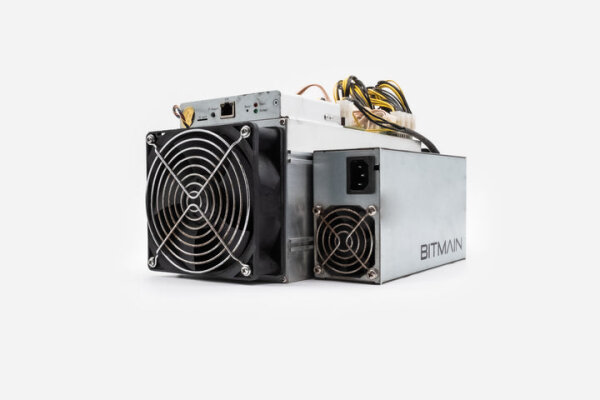
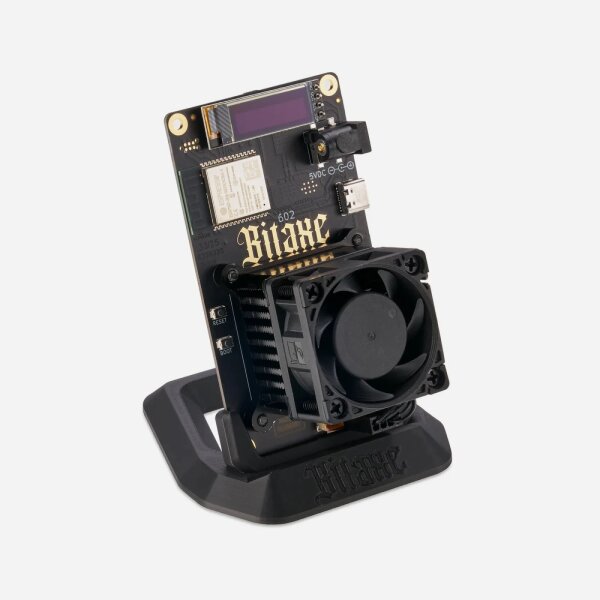
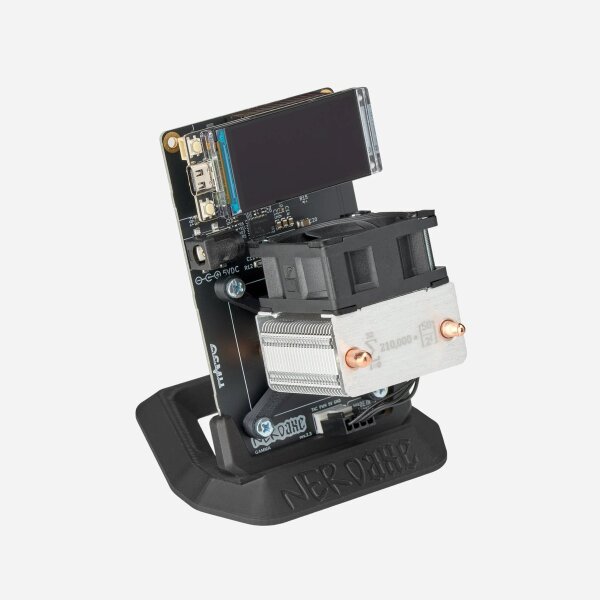
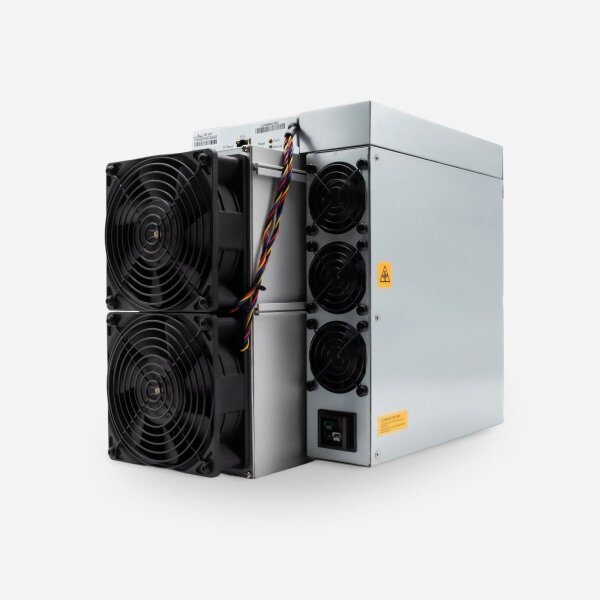
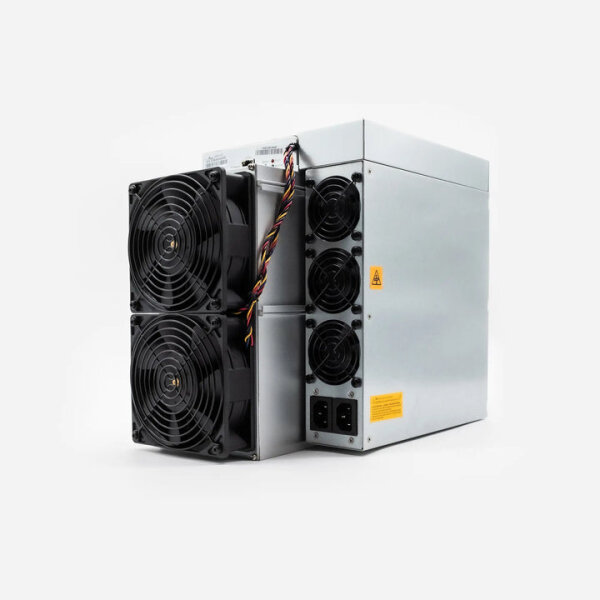
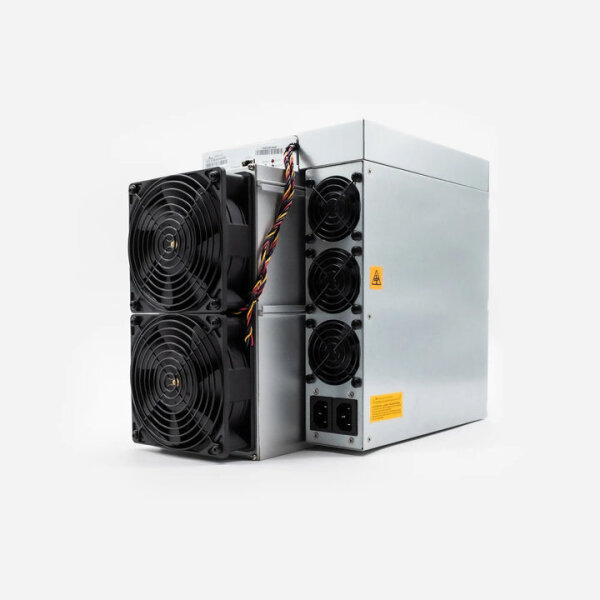
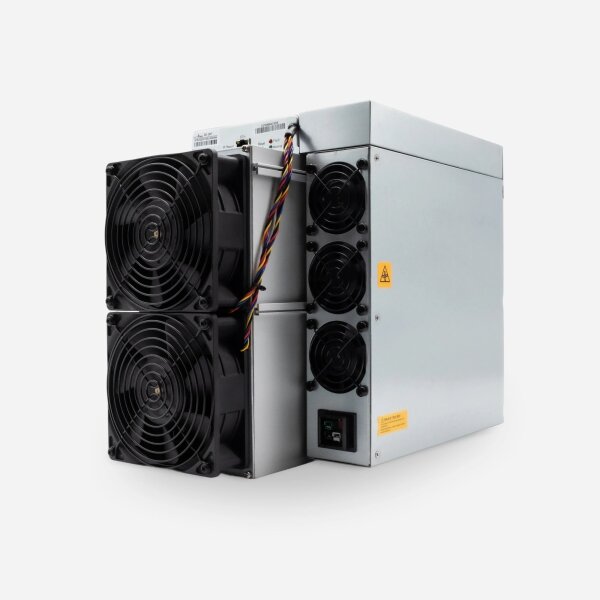
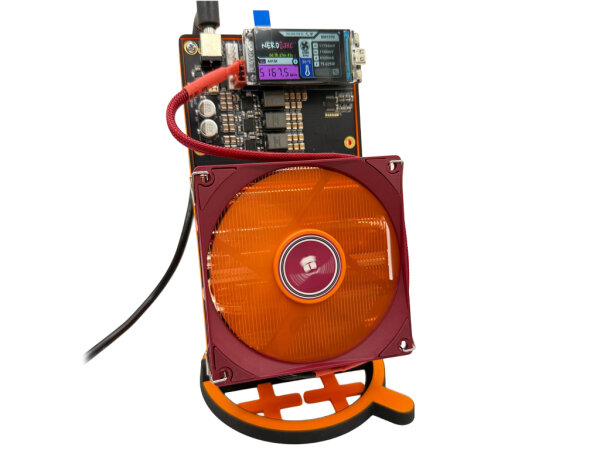
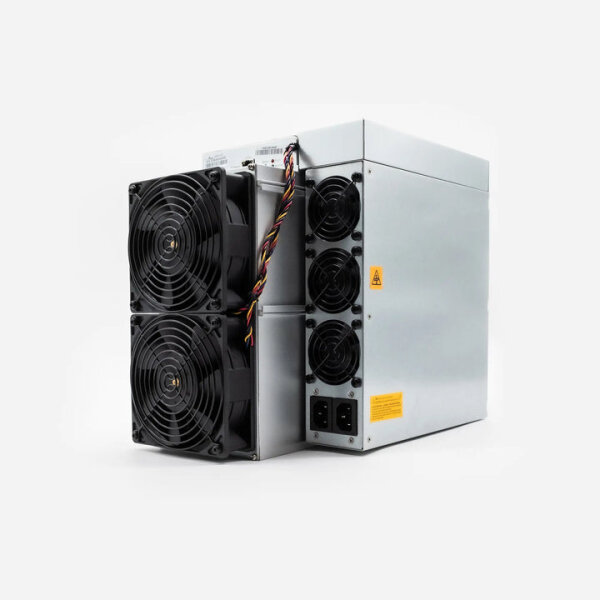
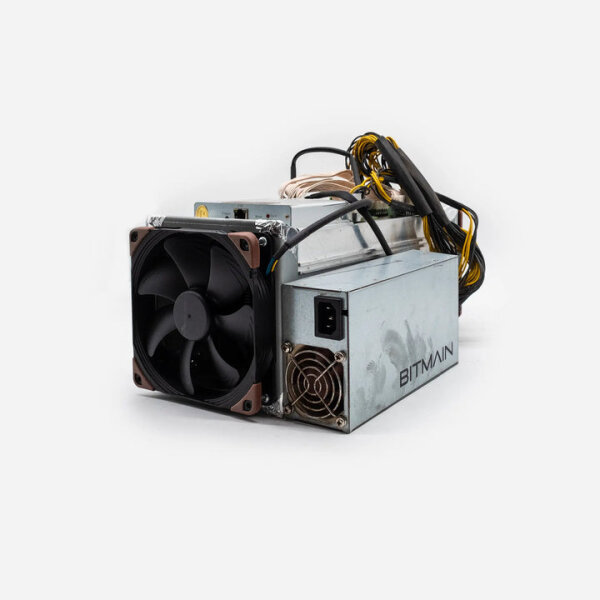
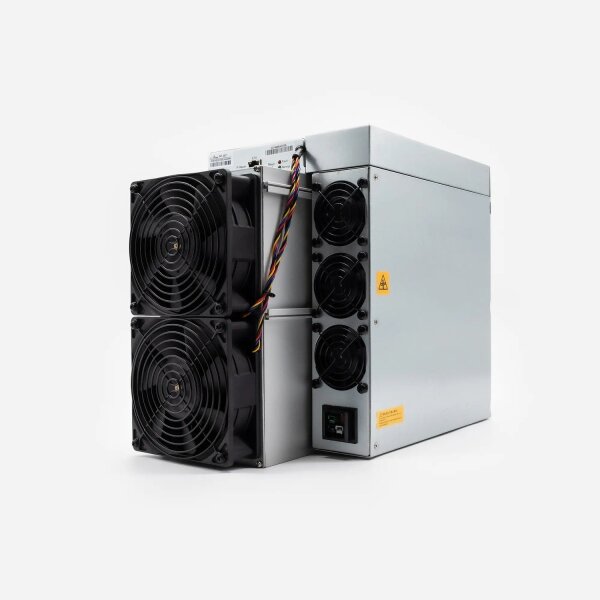
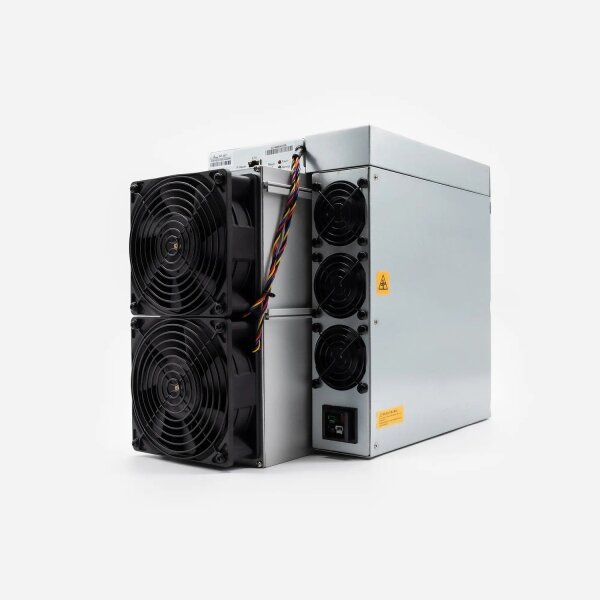
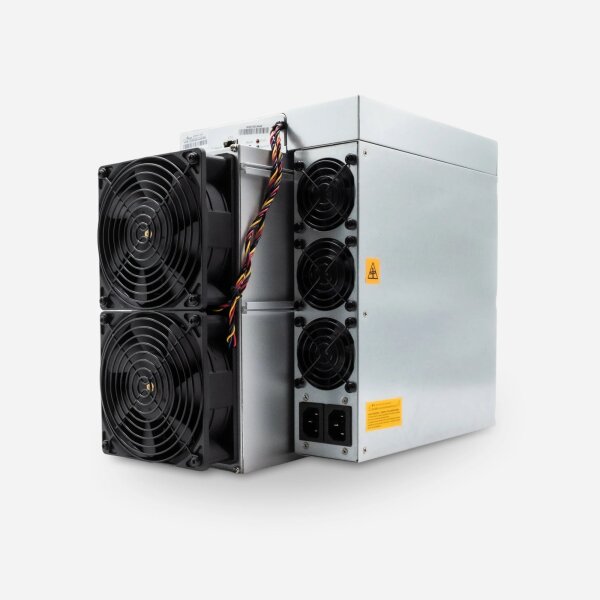
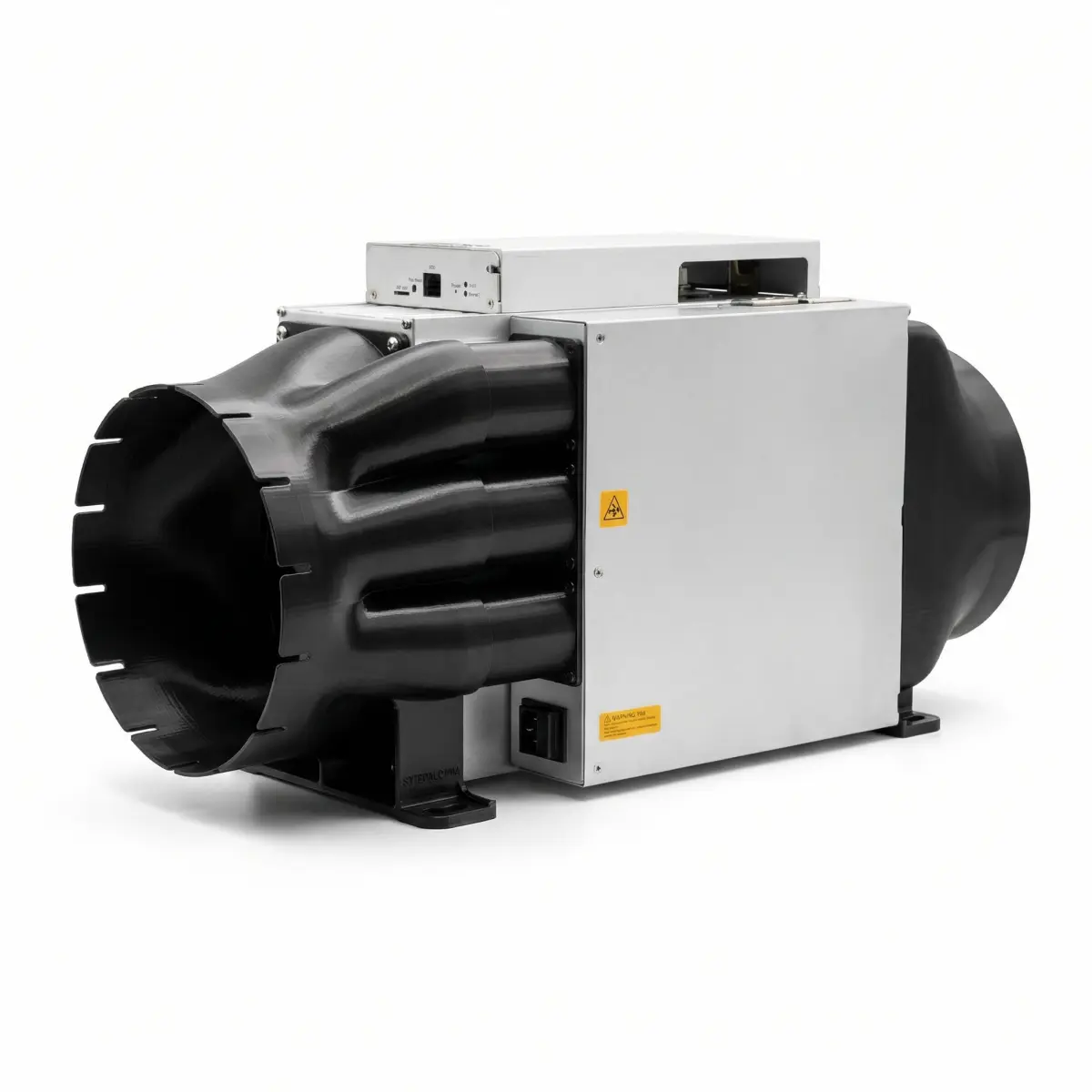
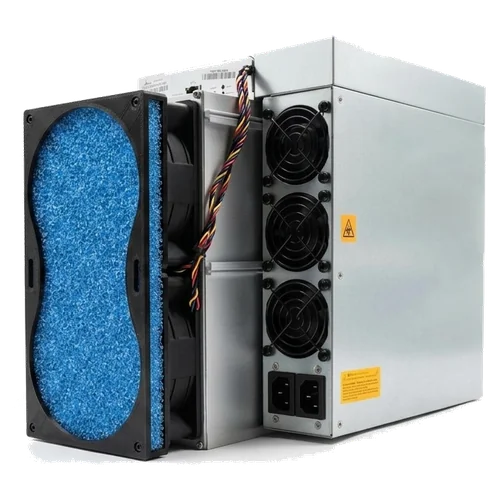
Fan Shrouds for Bitcoin Miners
Compatible with S19, S21, S21+, S21 Pro, S21 XP and Whatsminer.
Self-Custody — your keys, your coins
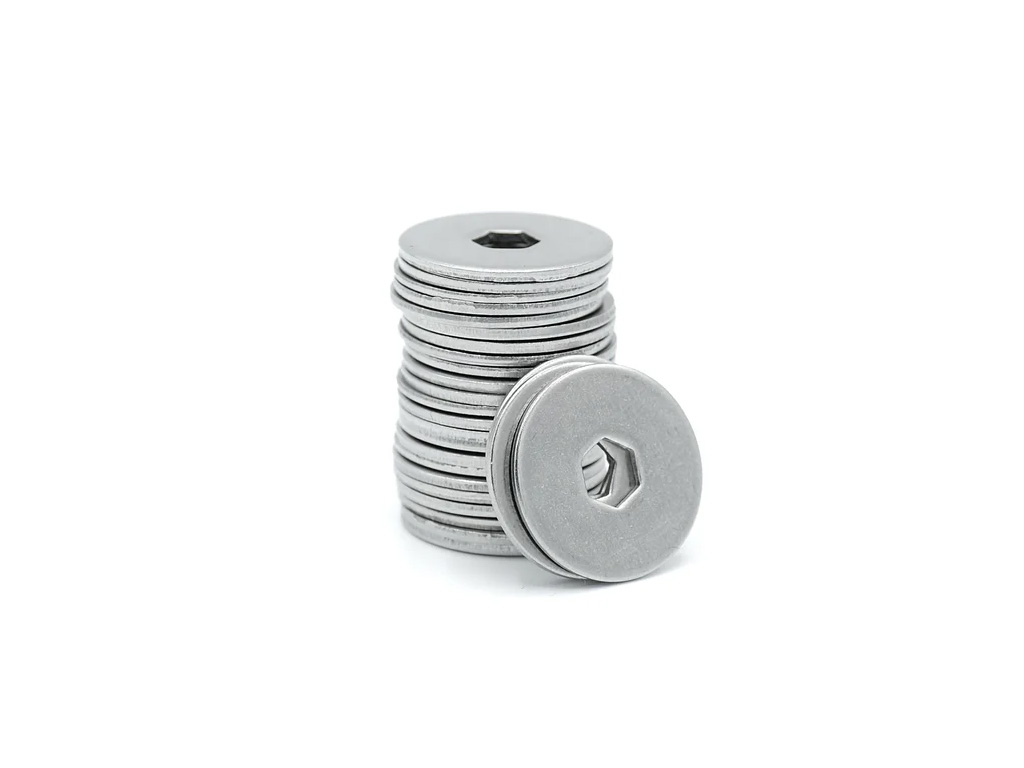
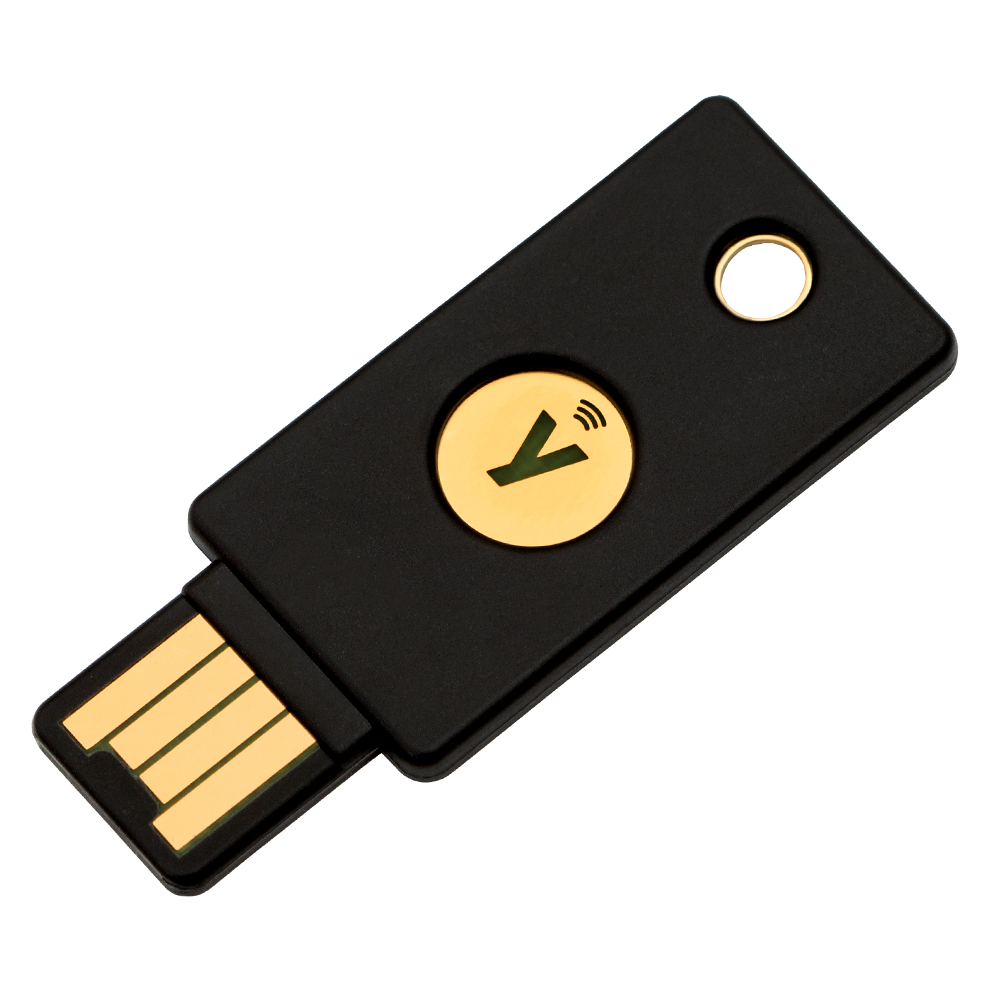
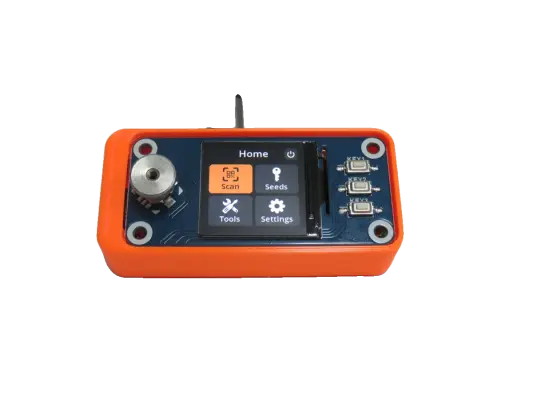
Hardware wallets, steel backups and security keys from Trezor, BitBox, Ledger, Foundation and Blockstream.
Partners & Manufacturers










FAQ
Which miner fits my setup?
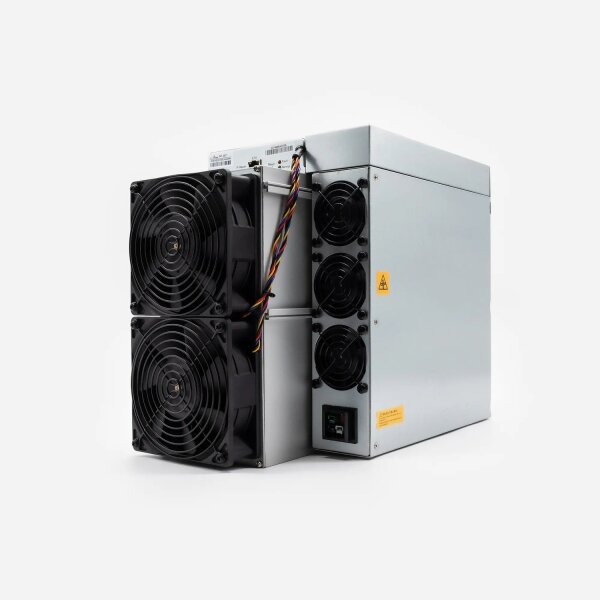
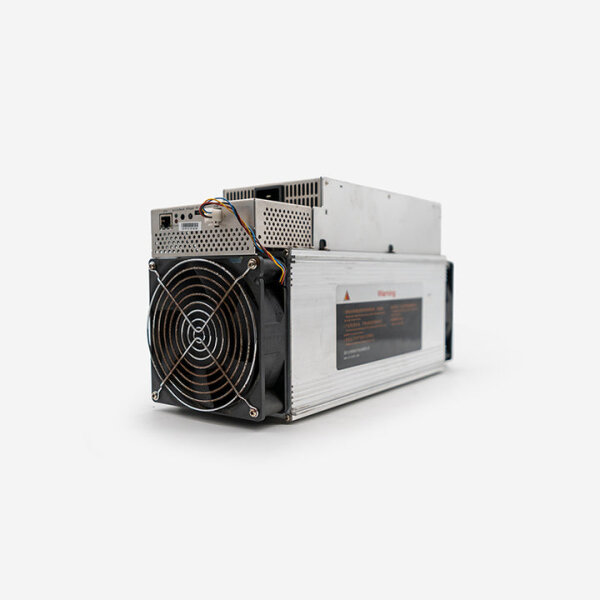
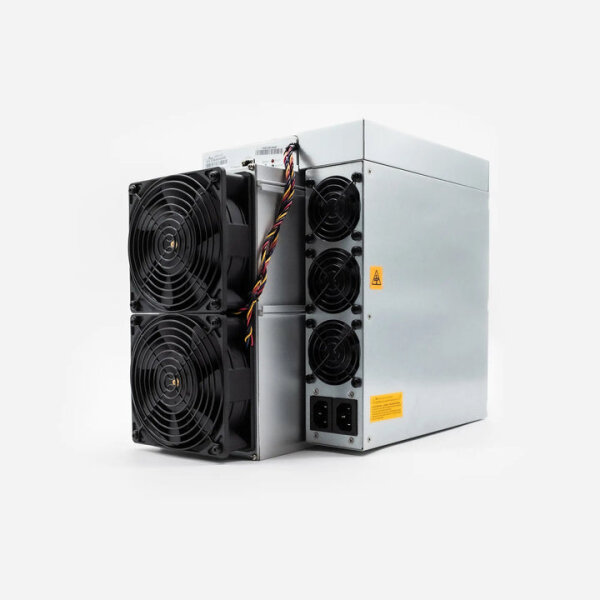
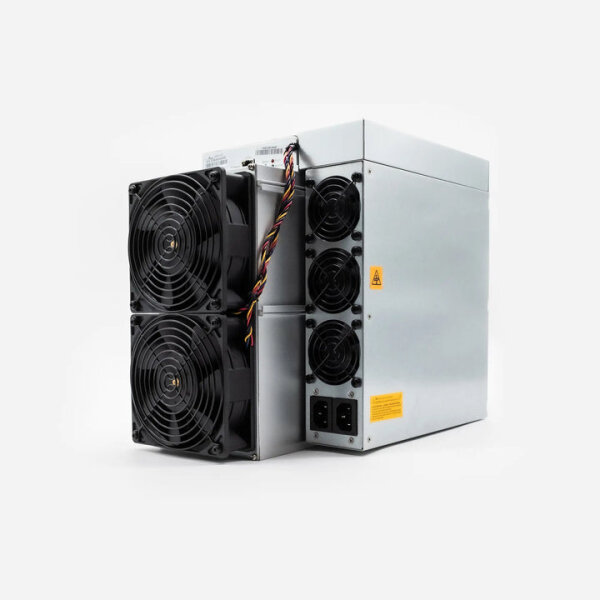
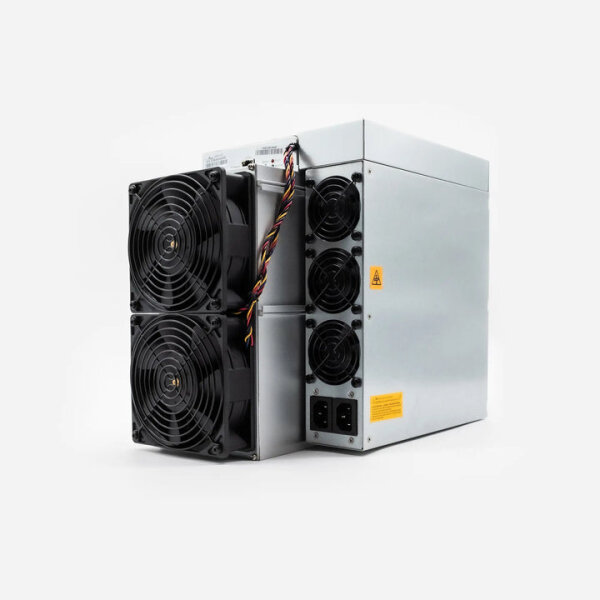
The right choice depends on the heating output you want in winter and/or the surplus energy available. As a rule, pick the miner with the best efficiency per terahash that your budget allows. For most home setups the Antminer S19k Pro offers a favourable ratio — around 23 J/TH from the factory, throttleable to about 21 J/TH at ~90 TH via Braiins OS+. If you prioritise maximum efficiency, choose an S21 Pro (~15 J/TH) or, generally speaking, the newest model available — at a multiple of the price.
How do you make an ASIC miner quieter?
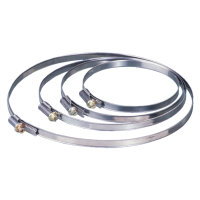
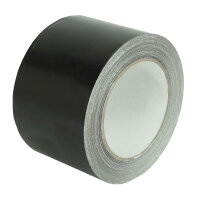
A stock ASIC miner runs at 75–82 dB — comparable to a vacuum cleaner. Fan shrouds on the intake and exhaust side dampen the factory hashboard fans slightly but do not eliminate the noise. Operation only becomes noticeably quieter once the internal fans are removed and replaced by an external inline duct fan. The remaining noise then matches only the external fan — about 40–50 dB (depending on model and brand), comparable to a quiet fridge. The matching accessories — inline fans, ventilation ducts, clamps and adhesive tapes — are in our range.
Solo mining or pool mining — what is the difference?
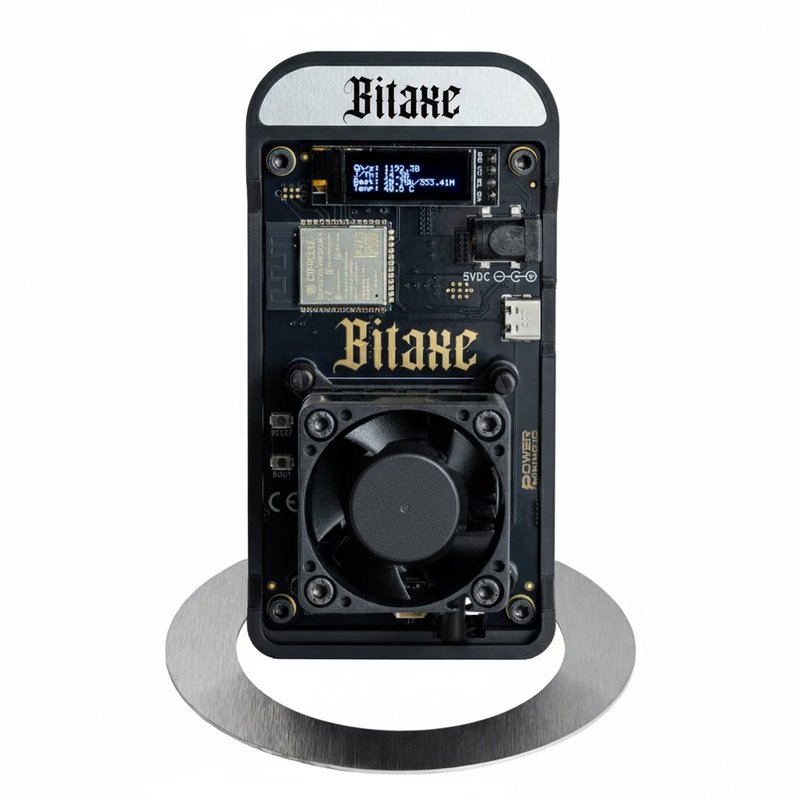
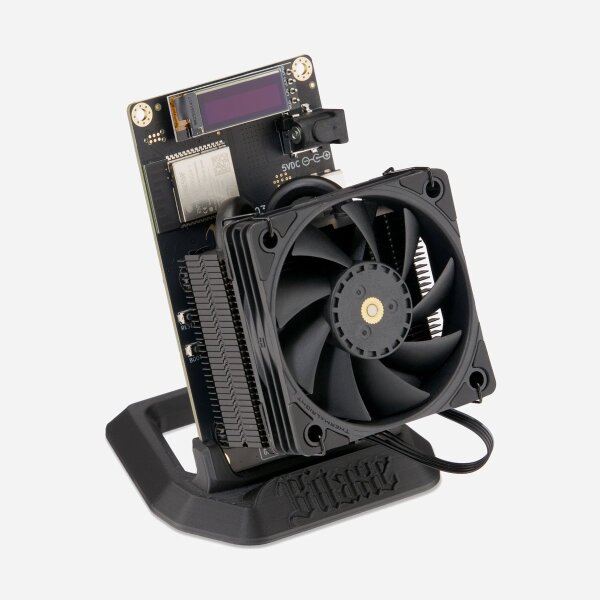
With solo mining a single miner tries to find a complete block on its own. On success the full block reward is paid out once — but for private hashrate (from a Bitaxe at 1.3 TH/s up to an S19 at 120 TH/s) the probability of a hit is statistically very low. The goal is the learning aspect, a possible lucky strike and the fun of the principle. Bitaxe models are mostly used here.
With pool mining thousands of miners join together and share the reward proportionally to the hashrate contributed. The goal is regular, predictable payouts in Bitcoin — the usual choice for turning surplus power into Bitcoin and storing it.
Can I combine mining with my solar system?
Yes. Mining can be coupled to solar production fully automatically — depending on the strategy, for battery charging, live control of self-consumption or targeted switch-on of the miner during surplus. In winter the waste heat additionally serves as usable heating output.
Is mining worthwhile at German electricity prices?
A blanket profitability threshold in ct/kWh is not meaningful, since the BTC price, difficulty and electricity price fluctuate daily. Mining becomes economically viable above all as a sink for solar surplus — as soon as the feed-in tariff is lower than the achievable sats yield per kWh, or no tariff is paid at all. In winter the benefit as a heating substitute is added (replacing gas or heat-pump costs).